Pull up a chair and let’s cut through the noise, because the Australian pokie scene isn’t just a row of flashing screens behind a smoke-stained curtain anymore. It’s a sprawling landscape of digital reels, bonus rounds, and payout percentages that can feel like trying to read a train timetable at Central Station during rush hour. Whether you’re dropping a couple of quid at the local club or spinning from the couch in your trackies, knowing how these machines actually work separates the casual punters from the ones who keep their bankroll intact past Friday night. A solid pokies guide isn’t about promising overnight riches; it’s about understanding the mechanics, the rules, and the fine print before you feed the machine.
The truth is, most players wander into the action blind, chasing a hot streak while the return-to-player figures quietly do their thing in the background. You don’t need a degree in probability to get a handle on it, but you do need a clear-eyed look at what you’re signing up for. From the old-school mechanical cabinets that still hum in regional pubs to the fully licensed online rooms operating under state-based oversight, the landscape has shifted faster than a delayed Sydney train skipping stops. This breakdown walks you through the practical bits, the local quirks, and the responsible habits that keep the fun from turning into a headache.
How Pokies Actually Work Under the Hood
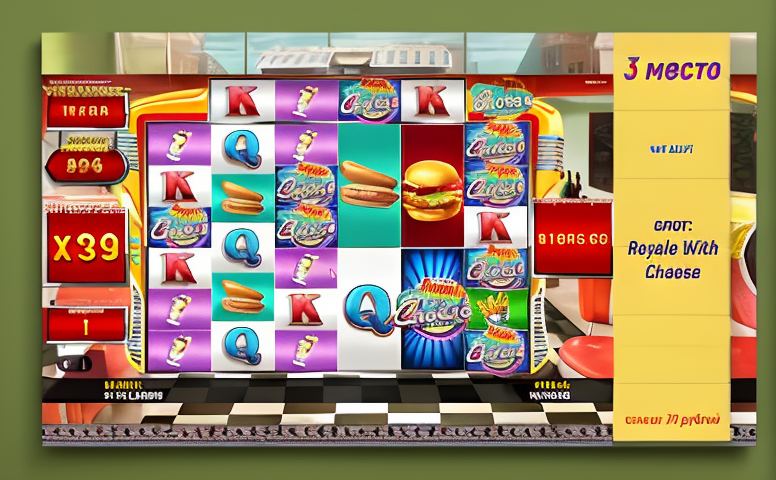
At their core, these machines run on a random number generator that spins independently of every previous pull, which means the old myths about a machine being “due” for a win are about as reliable as a weather forecast from a bloke at the corner store. The software constantly cycles through combinations, and when you press the button, it locks in whatever outcome the algorithm has already pre-determined for that exact millisecond. That’s why two players sitting side by side can hit completely different results on identical games, and why chasing losses by cranking up the bet size usually just burns through credit faster than a summer storm washes out a dirt road.
Modern video versions layer in paylines, wild symbols, scatter triggers, and cascading reels, but the underlying maths stays the same. The payout percentage, often called RTP, tells you how much of every dollar wagered returns to players over millions of spins, not over your Tuesday evening session. A game advertised at ninety-six percent RTP doesn’t mean you’ll walk away with ninety-six cents for every buck you drop; it means the long-term curve bends that way across thousands of players. Understanding that distinction keeps you from misreading a cold streak as a broken machine or a hot run as a permanent shift in the odds.
Reading the Paytable Without Getting Lost
Every proper machine comes with a paytable tucked into the help menu or printed on the side of the cabinet, and it’s the closest thing you’ll get to a roadmap before you start spinning. It lays out which symbol combinations pay out, how many credits they’re worth, and whether certain bonuses require specific scatter placements or active paylines. Skipping this step is like walking into a Bunnings sausage sizzle without checking the price of a snag first; you might still enjoy the feed, but you’ll be guessing at the cost the whole time.
The paytable also flags special mechanics like free spins, multiplier rounds, and gamble features that let you double up on a win. Those extras can spice up a session, but they’re designed to add volatility, not to guarantee a profit. When you know which symbols trigger what, you can pick games that match your preferred pace rather than dumping coins into a high-variance title that eats through your balance before the first bonus round even loads.
Picking the Right Volatility for Your Session
Volatility, or variance, is the term that describes how often a game pays out and how big those payouts tend to be. Low-variance titles drip-feed smaller wins more regularly, which keeps the balance ticking over and suits players who want a longer, steadier session. High-variance games sit quiet for stretches, then hit larger payouts that can swing the mood in a hurry, but they also demand a thicker cushion to survive the dry patches without tapping out.
Choosing between them comes down to what you’re after on the night. If you’re spinning for the sake of keeping the digits moving and enjoying the soundtrack, a lower-variance pick usually feels less punishing. If you’re chasing the occasional big hit and don’t mind watching the credit meter breathe, a higher-variance option fits the bill. Either way, matching the game’s volatility to your bankroll and your patience saves you from the frustration of a machine that feels like it’s running on a completely different clock than you expected.
RTP Explained Without the Jargon
Return to player is the number that gets thrown around in marketing copy and forum debates, but it’s often misunderstood as a short-term promise rather than a long-run statistical average. A ninety-seven percent RTP means the game is built to return that portion of total wagered money across an enormous sample of spins, not that your individual session will mirror that figure. Short runs can easily swing well above or below the advertised rate, which is why two mates at the same machine can walk away with completely different stories.
When you’re comparing titles, look for the published RTP in the game info or the casino’s help section, and treat it as a reference point rather than a guarantee. Some operators let you toggle between different RTP versions of the same game, which can shift the long-term expectation by a couple of percentage points. That small difference compounds over time, so if you’re logging serious hours, picking the higher-return version is the kind of detail that quietly keeps your balance healthier.

Where to Play Legally and Safely
Australian players have a mix of options when it comes to where they spin, from licensed land-based venues to overseas-facing online rooms that accept Aussie punters under their own regulatory frameworks. The local landscape is shaped by state-based rules, which means what’s available in one jurisdiction can look quite different in another, and the same machine class isn’t always treated the same way everywhere. Knowing which venues hold the proper licences and which online operators publish clear terms keeps you from winding up in a grey area where support and dispute resolution are harder to pin down.
If you’re testing the waters with a new room, it pays to check how they handle verification, withdrawal times, and customer support before you lock in a deposit. A transparent operator will lay out those details without making you dig through half a dozen pages of fine print. For a closer look at how responsible gambling research breaks down player behaviour and harm minimisation, the national research centre has published work that cuts through the marketing spin and focuses on what actually keeps sessions manageable.
Keeping Your Bankroll in Check
Managing your money comes down to setting a limit before you start and sticking to it when the reels start doing their thing. Decide on a session amount you’re comfortable losing, treat it like the cost of entertainment rather than an investment, and step away once it’s gone. Chasing losses by moving up in stake size or extending the night usually just turns a manageable session into a stressful one, and the maths doesn’t bend to make up for it.neospin bonus
Practical habits make a bigger difference than most players expect. Keep your betting unit small relative to your total session budget, take breaks when the screen starts blurring, and avoid using credit or tap-and-go for a quick top-up when the balance dips. If you’re spinning online, look for rooms that let you set deposit limits, time reminders, or loss caps directly in your account settings. A clear pokies guide always points back to the same idea: the machine doesn’t care about your plan, so your plan has to be the thing that holds firm.
- Set a fixed contaconsolucoes.com.br session budget before you log in and treat it as the cost of entertainment, not a recoverable expense
- Choose a betting unit that keeps your balance alive for at least a few dozen spins rather than blowing it in a handful of pulls
- Use built-in deposit limits, loss caps, and time reminders if the platform offers them, and don’t override them on a whim
- Step away for a proper break when the session stops feeling like fun and starts feeling like a chase
- Keep a separate track of your wins and losses so you’re reading the actual numbers instead of relying on memory after a few drinks
Comparing the Platforms That Matter
Not all rooms treat players the same way, and the differences show up in the details that matter once you’ve actually started spinning. Some operators focus on quick verification, straightforward withdrawals, and a game library that doesn’t hide the important info behind layers of pop-ups. Others lean heavily on flashy promos while making the terms harder to parse, which is where a careful comparison saves you from surprises later. When you line up the options side by side, you start to see which platforms put the practical stuff front and centre and which ones leave you guessing.
Joe Fortune has carved out a spot among the leaders of the Australian market by keeping the player-facing details relatively clear and the game selection broad enough to cover different tastes. In a comparison table that weighs licensing transparency, withdrawal speed, bonus terms, and support responsiveness, that kind of positioning matters because it shows up in the day-to-day experience rather than just the homepage banners. A room that handles the boring bits well usually makes for a smoother session, and that’s the kind of detail worth weighing before you commit to a deposit.
| Platform | Licensing Transparency | Withdrawal Speed | Bonus Terms Clarity | Support Responsiveness |
|---|---|---|---|---|
| Joe Fortune | Clear public terms with visible licence details | Standard processing with published timelines | Bonus conditions laid out in plain language | Live chat and email backed by published response windows |
| General Offshore Rooms | Varies widely, some light on public documentation | Often slower, with manual review steps | Frequently buried in lengthy terms | Response quality inconsistent across operators |
If you’re weighing your first deposit or testing a new room, it’s worth checking how the welcome offer actually works before you get too attached to the headline number. A neospin bonus can look generous on the surface, but the wagering requirements, game weightings, and max cashout limits are what decide whether it’s genuinely useful or just a shiny distraction. Reading those terms before you spin keeps you from feeling blindsided when the fine print starts doing its job.
- Read the full bonus terms before claiming anything, including wagering requirements, game restrictions, and max cashout limits
- Check whether the welcome offer applies to your first deposit only or carries over to later sessions, and note any expiry windows
- Verify that the room publishes clear verification steps so you’re not caught out when it’s time to withdraw
- Compare the actual game library and support channels rather than relying on homepage promises or flashy banners
- Keep your first deposit modest until you’ve seen how the room handles a straightforward withdrawal
When to Step Away and Reset
Knowing when to call it a night is the skill that separates a manageable session from a draining one. The reels don’t send a polite signal when it’s time to stop, so you have to build your own exit points before the session gets away from you. That might mean a fixed time limit, a loss threshold, or a win target that lets you walk away while the balance still looks healthy. The trick is treating those limits as non-negotiable, not as suggestions you reconsider when the machine starts humming a different tune.
If the session starts feeling tense, rushed, or like you’re trying to force a result, that’s the cue to stand up, grab a drink, and reset. A short break does more than clear your head; it breaks the momentum that turns a casual spin into a stubborn chase. The best pokies guide you can follow is the one that reminds you the machine will always be there tomorrow, but your balance and your mood won’t necessarily survive a night of poor timing.